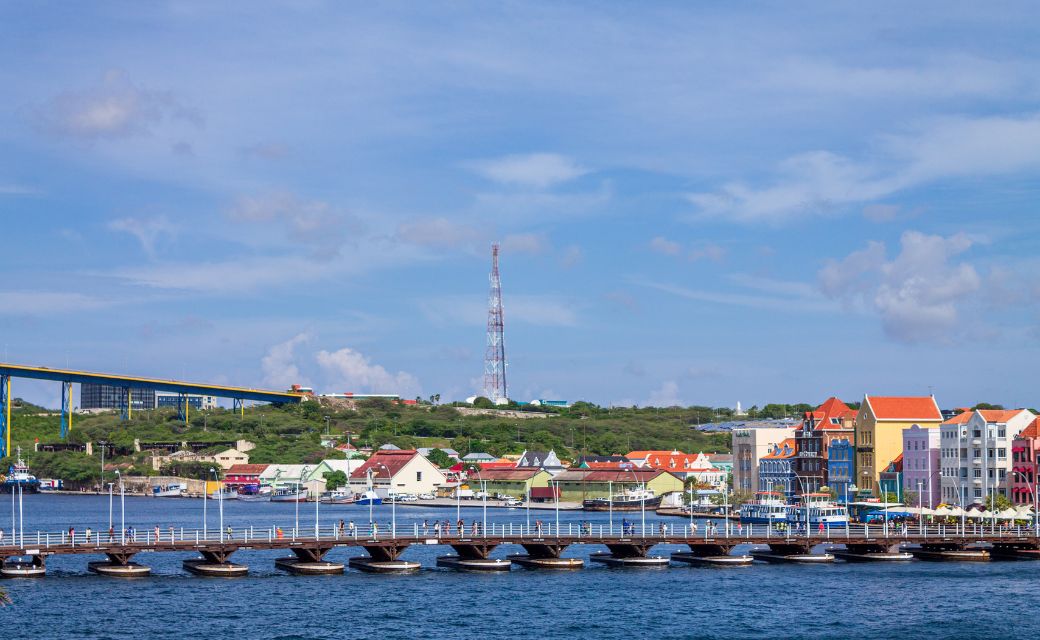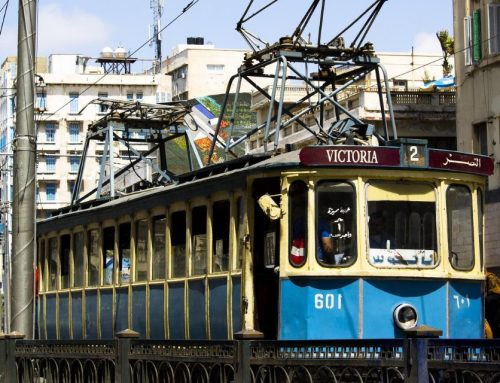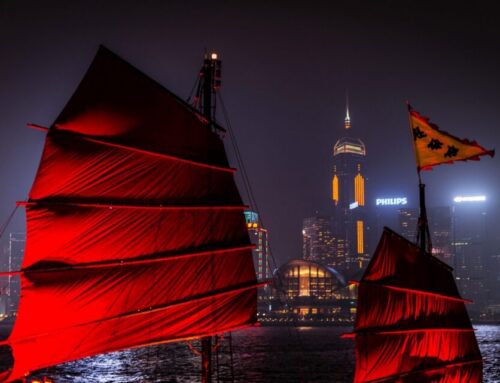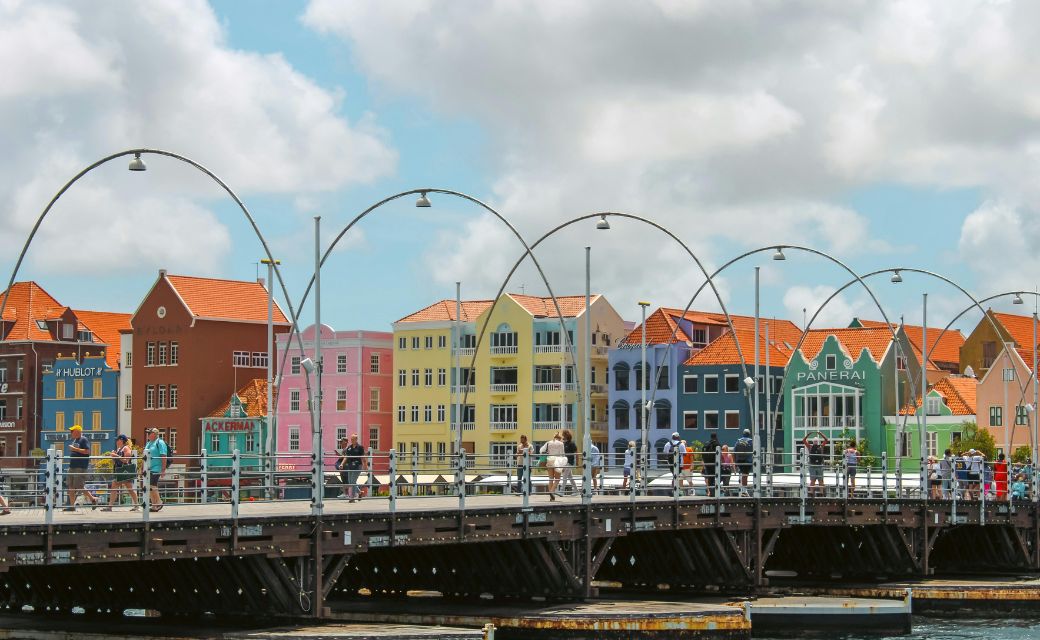

Curaçao’s Queen Emma Bridge is a floating landmark where clever engineering, royal history, and an unusual toll policy come together to create one of Willemstad’s most distinctive attractions.
Connecting Willemstad’s historic Punda and Otrobanda districts, the bridge was born from necessity. In 1868, around 4,000 people crossed St Anna Bay daily by small ferry. To make the journey easier without blocking passing ships, American consul Leonard Burlington Smith proposed a floating design in 1886. Approved in 1887, the bridge opened on 8 May 1888 and was named after Queen Emma of the Netherlands.
Supported by 16 pontoons, this 167-metre bridge swings sideways to let vessels enter the harbour. When it opens, a free ferry helps pedestrians cross. In 1955, they added illuminated arches to celebrate the royal visit of Queen Juliana and Prince Bernhard, giving the bridge its enchanting after-dark appearance.
Between 1901 and 1934, crossing cost a toll unless you were barefoot! No shoes, no fee. Today, the toll is long gone, but the quirky story lives on.
With its colourful waterfront views and distinctive swing, the Queen Emma Bridge remains a beloved Curaçao landmark, proving that sometimes the most memorable journeys are all about going with the flow!